
Bicycle Disclaimer & Industry Blues
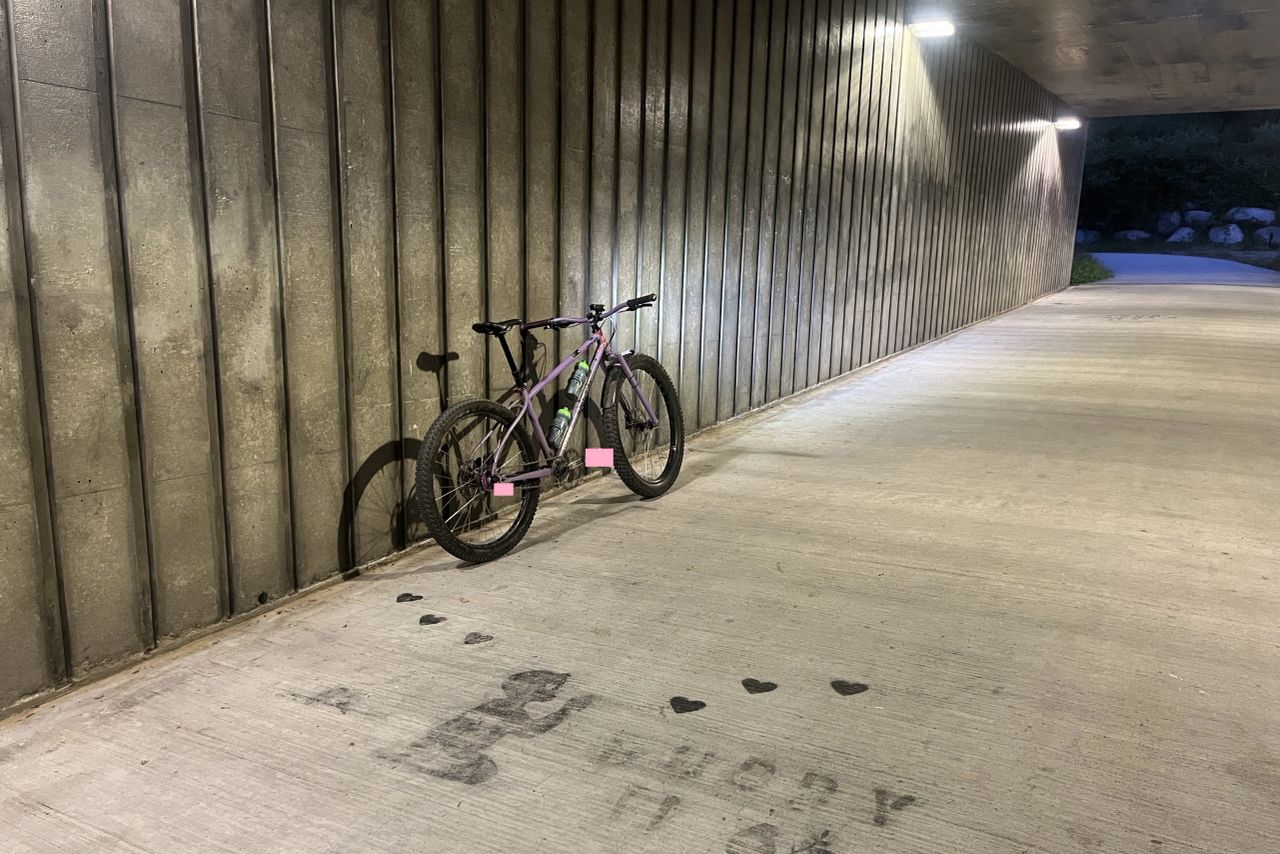
Tunnel Talk (TT) is, at its core, one nerd’s experience wrenching and riding through the bike industry. This is the 26th episode, not including TT#0, which isn’t bad for a series that started on a foundation of “…cruising through the little pedestrian tunnel that I ride to and from work, singing bastardized Hawksley lyrics.”
Over these pieces, I’ve tackled a few near-Icarus items like ‘The 100% Attitude Back Guarantee’ (TT#15), ‘Air Is (Sometimes) Always Free’ (TT#20), or even the ‘Saved Your Life Surcharge’ (TT#17) and so before I say anything more today, in the spirit of the honest sharing of ideas, I want to put forward the disclaimer that, some, Tunnel Talk segments, including the ones linked above, are, at times, even if they don’t seem so, heavily self-redacted for tone and content.
One could absolutely accuse me of being a bit gun-shy, and even of this being a disservice to readers, hobby though MEATengines is, and I would accept those criticisms with the seriousness they deserve. In other words, as always, salt everything to taste and please recognize that MEATengines contains my hard-earned opinions and not those of any employer past, current, or potential.

“Everyone make way for the grumpiest man on the Shore!” – Wade Simmons introducing Andrew Major
Unplugged
I stickhandle around my passion for bicycles to earn a paycheck. That often means assembling and repairing the e-MTBs that are increasingly a dominant choice of (new) vehicles for two-wheeled forest time. Mentally all that’s required is a two-to-one mix of dithering dissociation and biddable acceptance. The fact is that a heavy-and-juiced you-times-four bike wears parts out four times faster, so there’s significantly more money to be raised changing tires, brake pads, rotors, chains, frame bearings, selling suspension service, etc. That’s not to mention the potential increase in labour dollars from the mashup of more complicated machines and a faster sprint between service intervals.
It’s a job.
I don’t love, or even like eebs. That’s probably not a shock if you semi-regularly read MEATengines. Unlike most of the ‘haters’ I know, my least favourite part of pedal-assisted-motorization masquerading as bicycles is not the way e-MTBs were stealthily folded into existing mountain bicycle trail advocacy and networks. But, rather, the way some, not all, bicycle brands managed to slip and slide them into their existing service understandings with dealers.

Since the beginning of mountain bikes, ‘warranty’ service, that is the labour associated with a warranty, has been a grey area most often eaten by bike shops. Yes, the more costly (read: time-consuming) jobs might be rolled into other paying work. Say installing a warranty brake as part of a tune-up. In other cases the service may be heavily discounted, such as performing a warranty frame swap as a 50/50 split between the shop and bike owner.
But often, I think way too often, the shop has ended up in the financial penalty box while the manufacturer gets away from the whistle with nothing but a bit of side-eye from the referee (you). And it’s getting ever harder to sit those minutes as the initial margins are slashed at both ends of the ice. Manufacturers seem to love taking a stick to dealers’ potential margin dollars, and the street price of bicycles isn’t exactly standing up near SRP for most makes and models.

One example of a time-consuming, and variably frustrating, warranty issue with eebs is wired connections. Whether it’s bikes that are brand new in the box or machines that have been used but are covered under the warranty period, no one – rider, shop, or manufacturer – wants to pay to problem solve these issues. And so, five situational systems have evolved.
1) Bike brand provides a labour credit to the shop to resolve the issue.
2)a) Bike brand provides a partial labour credit to the shop to resolve the issue & shop charges the rider the difference.
2)b) Bike brand provides a partial labour credit to the shop to resolve the issue & shop eats the difference.
3)a) No labour credit. Rider eats the service.
3)b) No labour credit. Shop eats the service.
It’s absolutely anecdotal, but my conversations hold that 3)b) Shop-eats-service is most common in situations where riders purchased their bike from the said shop and that 3)a) is increasingly more common in situations where the bike was purchased elsewhere. Fair enough, it’s hard to eat margin out of a bike you didn’t sell in the first place. But that also is going to make for radically different warranty experiences.
As a rider, as a consumer, buying a more complicated electronic motor-and-pedal machine, or maybe any mountain bike, it is absolutely worthwhile to have a conversation with the shop you’re purchasing it from that goes beyond horsepower and battery capacity. What is the average downtime for a warranty consideration? Who pays for the removal, processing, and installation of components being replaced under warranty? And, if it’s not the rider, is the shop being compensated by the manufacturer or is the labour being carved out of whatever margin they made on the machine?
It might not be a deal breaker, but it could certainly help decide between multiple rigs that are in contention. That’s true of any mountain bicycle as well, but the dollars can really add when the blender portion of the e-machine is not working.
Welcome to MEATengines, I hope you enjoyed this piece. If you did, please consider buying me a coffee. Any questions, concerns, or comments – or to order a MEATengines water bottle – feel encouraged to drop me an e-mail, or join us at r/MEATengines.