
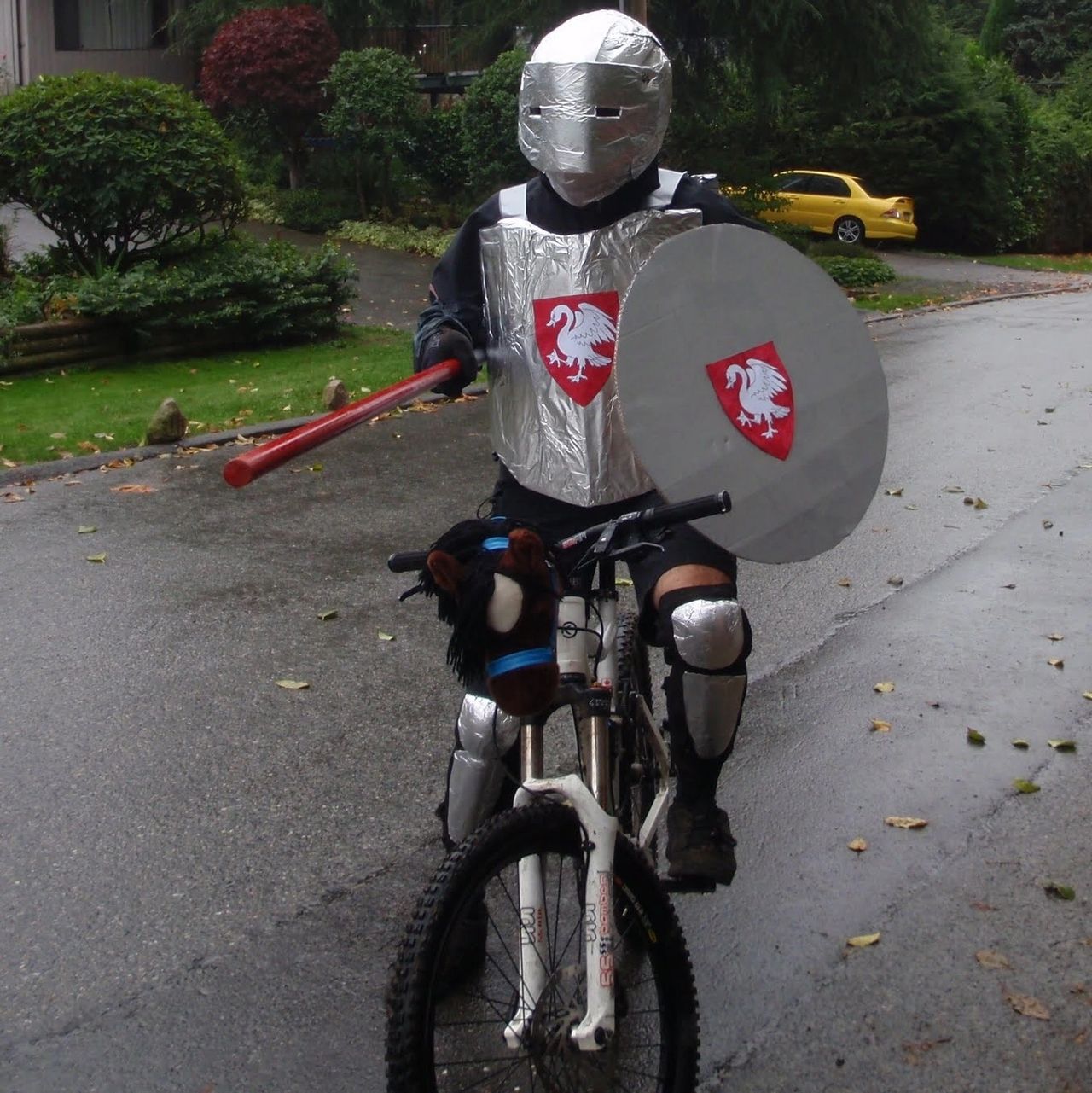
It was the first bike I sold to my first customer on my first day on the job at the first bike shop that I worked in. A basic black Trek 800 Sport hardtail. I was certain that I was going to be sh*t canned on the spot.
The customer and I were having a pleasant chat about the $250 rigid steel hardtail when out of the corner of my eye I could see steam coming out of the owner’s ears. He kept glaring over ferociously at the manager and she acidly back at him. I had zero training at this point but it was a straight forward sale, the bike was absolutely the proper size, and the price was clearly displayed on a tag hanging from the handlebar. I tried to stay focused as I silently racked my brain. What am I doing wrong?
Unbeknownst to me, I had broken the one cardinal rule of working in a bike shop. I had used the word safe. “There is nothing,” the owner would later tell me as he aggressively gnawed his bearded upper lip, “safe about riding bicycles.”

No matter the mitigants, there is an inherent level of risk in all activities. I have known a few people over the years who have truly wrecked themselves walking upstairs. Sober. In that sense that nothing-is-safe, bicycle riding certainly is not an exception. There is no rocket surgery going on, but a number of factors blend together to create the nexus of rider skill, speed, conditions, and maintenance. Combine that with the scientific theory of ‘Sh*t Happens’ and, well, sometimes sh*t happens.
At the end of the day, no amount of skill in the world will make up for a bike that isn’t structurally sound and properly setup. At the same time, there is no magic mountain bicycle that will save a rider in with both feet over their abilities every single time. Either way, there are some biggies to look after like bolts, brakes, bars, and bodies.
When I started working in shops in North Vancouver I developed a much more nuanced sense of the word safe. Riding across a log in the air, or down a steep ramp, or greasy roots, hitting an old school drop-to-flat isn’t safe but with preparation and properly functioning equipment, it is a controlled risk for thousands of riders every week on the North Shore with injury rates well below plenty of other popular sports. Still, injuries happen.

But, what percentage of those injuries, particularly the catastrophic ones, are rider error – whether it be failing to adapt to conditions, pushing their skillset, not being focused, etc – and what percentage are equipment related? I have long been shocked by the frequently flippant attitude some folks take to the maintenance and setup of their equipment and, anecdotally of course, with all the local shops massively backed up for service I’ve heard some epic stories about the condition of the bikes my friends are coming across in the woods.
[aside] Fact, it’s not “the bike shop’s fault that [your] brakes both failed on Expresso because they didn’t have time to fix them this week.” [/aside]
There I am a week or so ago listening to a chap tell me he’s just going to ride his fork with a loose steerer tube “for a little while” because he doesn’t want to put any money into his bike before he sells it on. He’s about to join a gut-wrenching number of people out on the trails that are stupidly choosing to ride single crown forks with loose, yes loose and creaking steerer tubes. Forks that no shop will service as-is, whether by conscience or for fear of liability, after being expressly warned of the risks associated with the failure mode they could experience. I’m aggressively gnawing on my bearded upper lip as a million things come to mind that I could say. I slowly hand him back his un-serviced property. I look him straight in the eye. I manage to come out with “you understand that it is not safe to ride this fork?” He replies with “when is mountain biking ever safe‽ “
When indeed.